
OpenUSD / Omniverse-Based Digital Twins
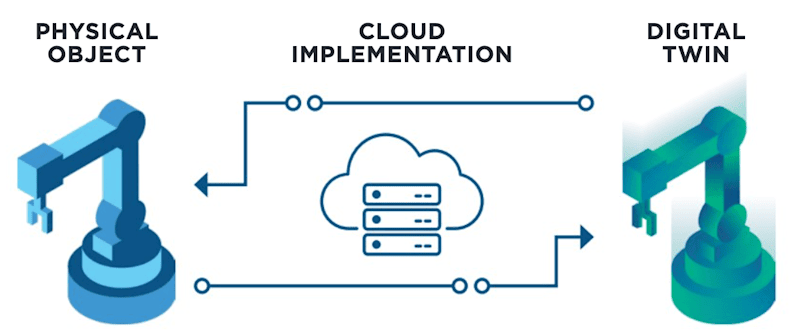
We build deterministic digital twins and run scenario‑based simulations that allow executives to test trade‑offs before capital is committed.
This is not planning software and not an AI black box. It is decision‑grade simulation.
Simulation that Leads to Informed Decisions and Capital Efficiency We design and operate decision-grade digital twins built on OpenUSD, enabling organisations to simulate complex systems, test scenarios, and make confident investment and operational decisions before committing resources.
Our digital twins are not visualisations and not planning tools. They are deterministic, auditable models designed to answer one question:
"What happens if we change this decision?"
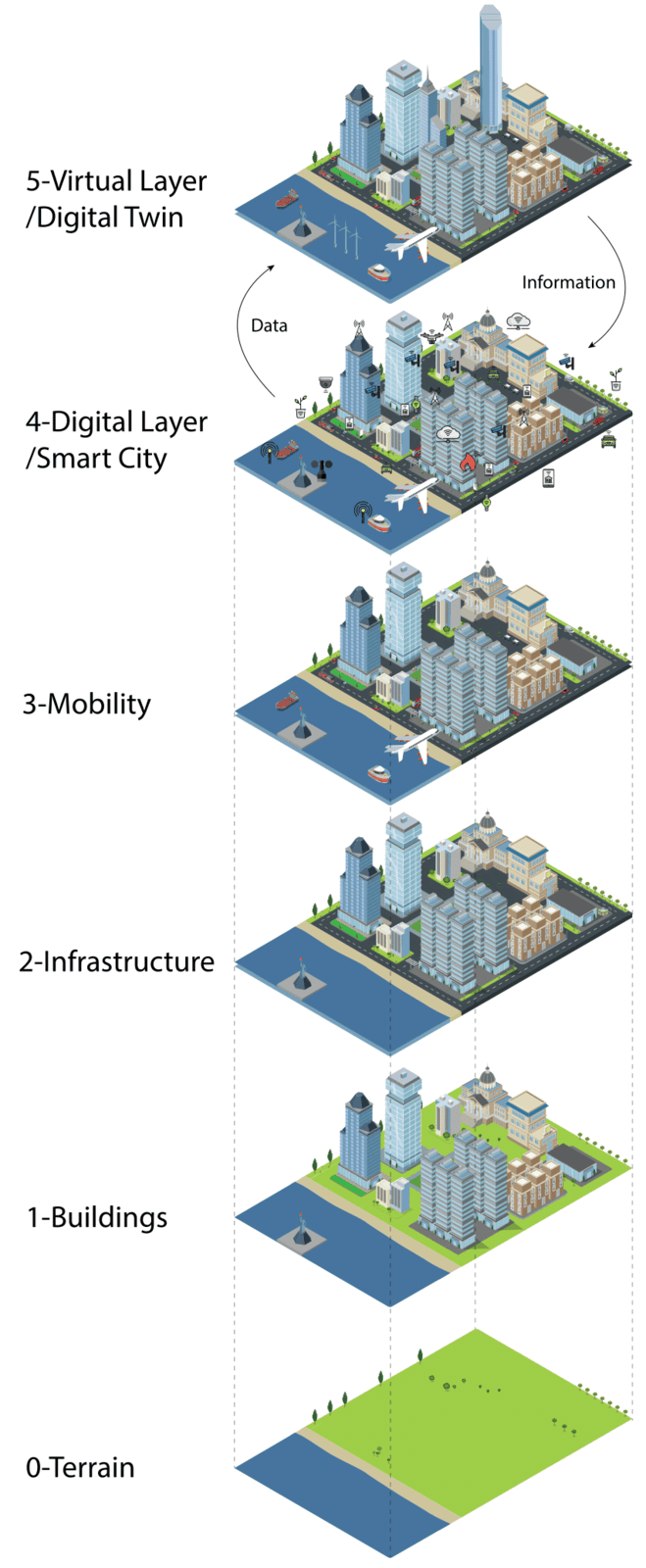
What We Mean by a Digital Twin
A digital twin is a living, structured representation of a real system; energy, telecom, or infrastructure, that can be simulated repeatedly under different assumptions. It combines:
→ Real-world data (terrain, assets, demand, energy)
→ Deterministic logic and physics
→ Scenario comparison and stress-testing
The result is clarity, not complexity.
Why OpenUSD
OpenUSD provides a neutral, composable foundation for digital twins.
Why we use it
→ Separates data, logic, and scenarios cleanly
→ Supports versioning and “what-if” analysis
→ Avoids vendor lock-in
→ Scales from small pilots to national systems
→ Integrates simulation, analytics, and visualisation
OpenUSD allows us to treat reality as a structured scene, not a collection of disconnected files.
What Situations are the best fit for Digital Twins
→ High-capex decisions
→ Situations where mistakes are expensive
→ Complex operational environments
How Engagements Work
1. Define the decision → What must be decided, and under what constraints?
2. Build the digital twin → Create a structured OpenUSD representation of reality.
3. Run scenarios → Simulate alternatives, risks, and sensitivities.
4. Deliver decisions → Provide clear, auditable options with implications.
What Services EMC Provides
Digital Twins vs. Planning Tools
| Aspect | Digital Twin (EMC/OpenUSD) | Traditional Planning Tools |
| Primary Purpose | Support investment and operational decisions | Produce technical plans, e.g. coverage, layouts. |
| Scope | End-to-end system view: environment, assets, energy. cost, risk. | Narrow technical domain, typically RF or engineering |
| Core question answered | What happens if we change this decision? | What is the optimal technical design? |
| Transparency | Deterministic and auditable assumptions | Often tool-specific and partially opaque |
| Vendor neutrality | Fully vendor-neutral | May be vendor-aligned or proprietary |
| Scenario comparison | Native capability (side-by-side trade-offs) | Limited, manual, or indirect |
| Executive usability | Designed for decisions at all levels from engineering, marketing teams to CFO / COO / CTO | Primarily built for engineering teams |
| Typical outputs | Deterministic and auditable assumptions | Often tool-specific and partially opaque |